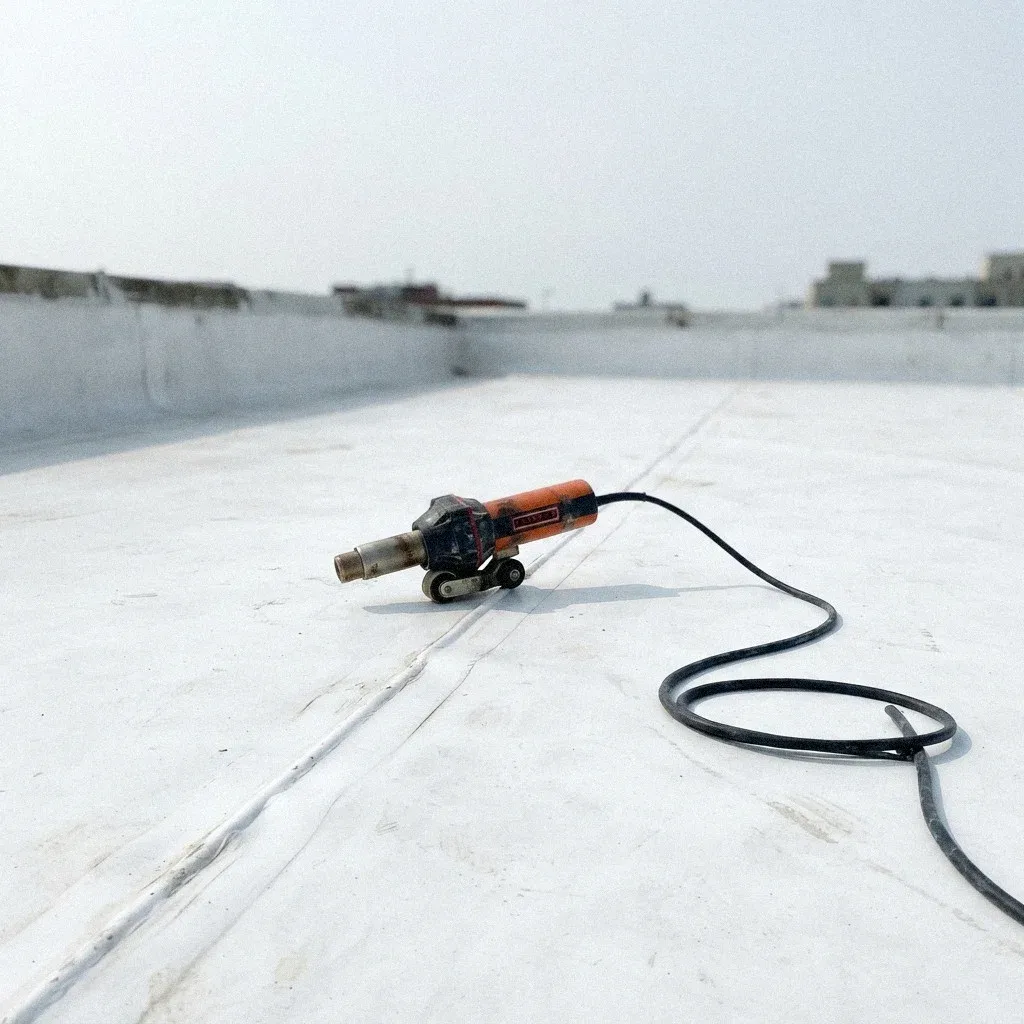
Flat & Low-Slope Roofing
Low-slope membrane roofing built to drain through hurricane season.
Learn about Flat & Low-Slope RoofingOlder Northbank blocks and Southbank towers share the St. Johns River but not a roof type.
Downtown Jacksonville splits along the St. Johns River into Northbank and Southbank, with Hogans Creek marking the old eastern edge near Springfield. Metropolitan Park and Friendship Fountain sit along the water, while the Baseball Grounds of Jacksonville and VyStar Veterans Memorial Arena anchor the Sports Complex. Bridges tie it to San Marco and Riverside.
Sandy soil, a high water table, and long humid summers wear on a roof steadily, apart from any single storm.
Older concrete block homes and newer builds carry different roofing bones, and a straight answer depends on which one is under your feet. Nail patterns, decking thickness, and how the last reroof was permitted all shift the math on what a repair versus a full replacement actually solves.
A roof does not have to look damaged to leak. Granules wash off gradually, nail heads back out a fraction, and flashing seals shrink in the Jacksonville heat until a gap opens that is barely wider than a pencil. None of that is visible from the yard, which is why so many leaks get blamed on the wrong storm.
Downtown mixes low-slope roofs on older brick commercial buildings near LaVilla and Brooklyn with newer flat membrane roofs on Southbank towers. Ponding and drainage matter more than shingle wear here, and afternoon thunderstorm runoff toward Hogans Creek is a routine concern for flat-roofed blocks. The useful calendar here has two halves. June through September brings the rain and the named storms, so that is when a weak joint gets found. Late fall through spring is drier and steadier, which is when the work gets done properly and crews are not stretched across half of Duval County.
Most Downtown Jacksonville jobs land inside these ranges. The inspection is free and the exact figure comes in writing before anything starts.
| Service | Estimated cost |
|---|---|
| Flat & Low-Slope Roofing | an estimated $9000–$26000 |
| Flashing & Chimney Repair | an estimated $350–$1900 |
| Roof Inspection | an estimated $150–$500 |
Low-slope membrane roofing built to drain through hurricane season.
Learn about Flat & Low-Slope Roofing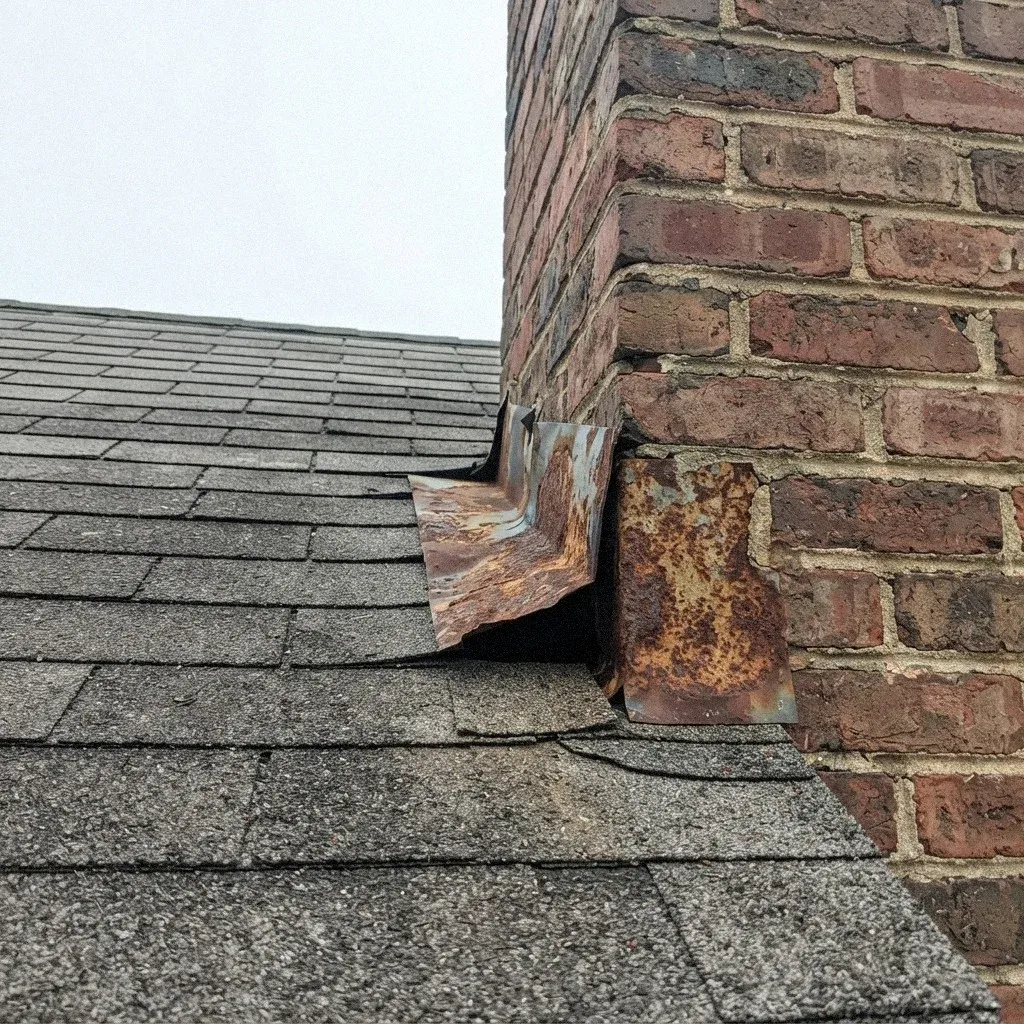
Valleys, sidewalls and chimney metal resealed or replaced.
Learn about Flashing & Chimney Repair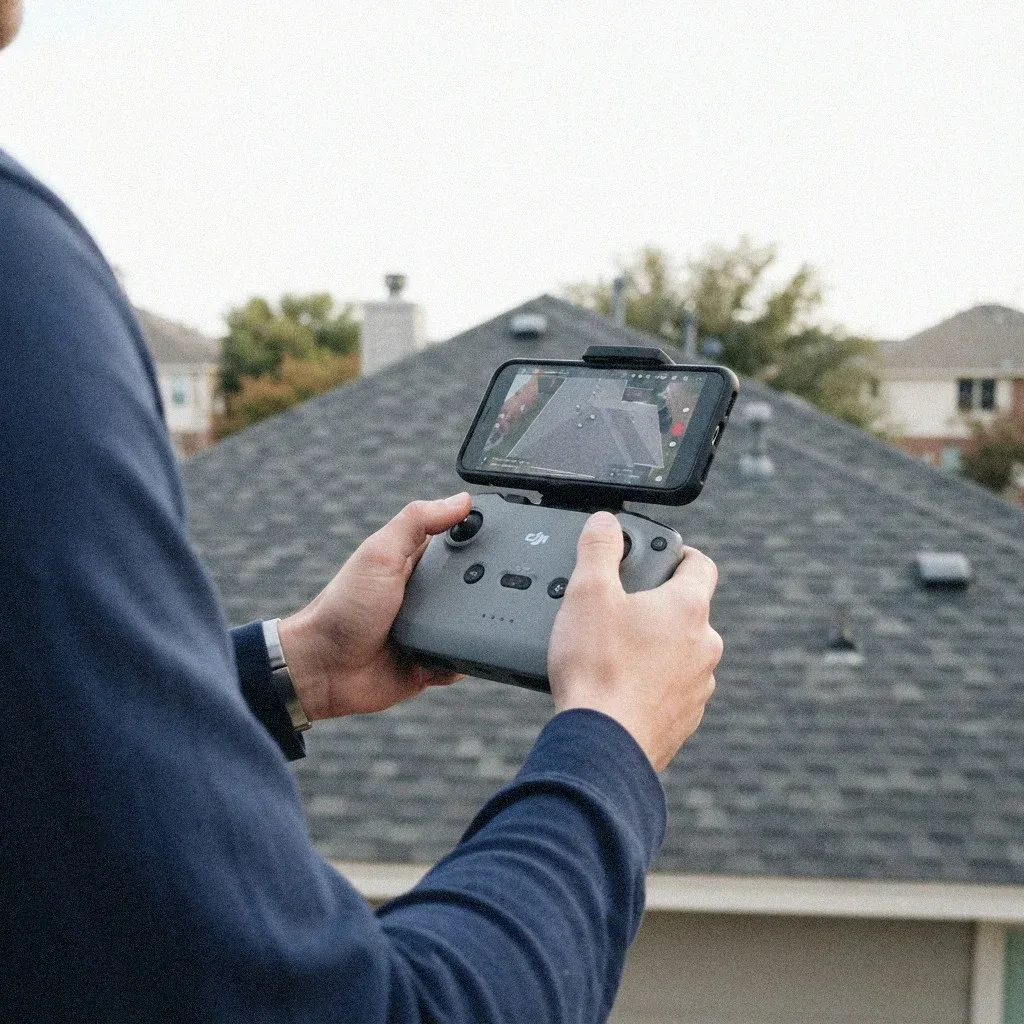
A documented, photographed record of your roof's real condition.
Learn about Roof Inspection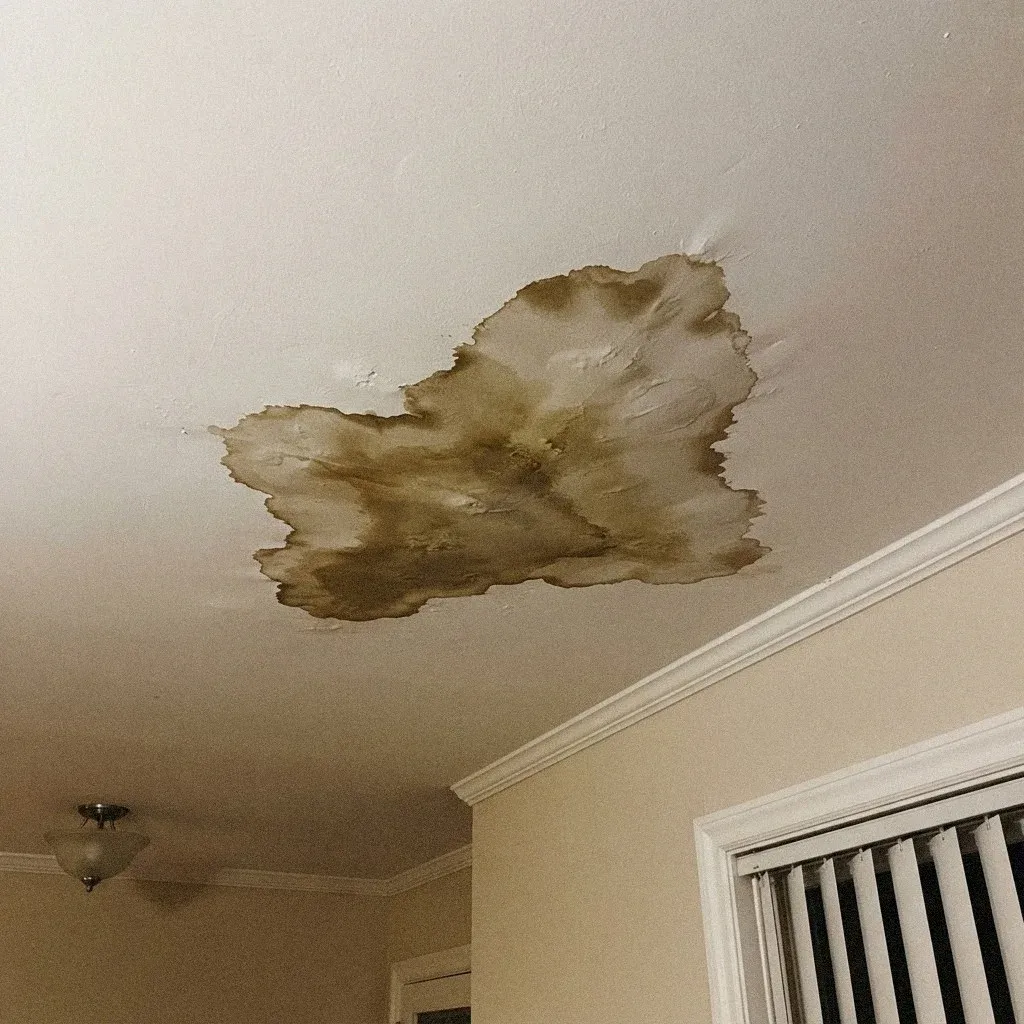
Finding where a Jacksonville roof actually lets water in.
Learn about Roof Leak RepairMostly, yes. The Northbank and Southbank are commercial and institutional rather than residential, so what covers them is single-ply membrane, modified bitumen or built-up roofing on a low slope, not shingle. That changes what matters: drains, scuppers and parapet flashing decide whether a flat roof leaks, where a pitched roof depends on how well its courses shed. Converted lofts around LaVilla often carry the original low-slope deck under a newer membrane.
The drain and the edge, almost always before the field. Water that sits more than a day after an afternoon storm has either lost its path to a drain or found a low spot the deck settled into, and standing water shortens whatever membrane is under it. After that it is the seams and the parapet wall junction, where the sheet turns up and relies on a termination bar and sealant rather than slope. Runoff heading toward Hogans Creek gives those edges plenty of work.
It goes through the same City of Jacksonville Building Inspection Division and the same JaxEPICS portal as a house on the Westside. What differs is what comes with it. A commercial low-slope job often needs engineering on the attachment and insulation, and a building inside a designated historic area near LaVilla can face exterior review as well as the building counter. Ask which of those applies before material is ordered, not after.
Evenings, weekends, and public holidays are all covered for Downtown Jacksonville through the emergency line. Routine bookings here typically go out within a day or two, helped by the fact you are a short drive from Jacksonville. Describe the situation on the phone and you will get a straight answer on whether after-hours is genuinely warranted.
Every part of Jacksonville answers to the same hurricane season, but not the same way. A crawl-space home near Springfield with an older roofline ages differently than a slab ranch off Southside Boulevard with a lower pitch and newer materials. Drainage after a heavy afternoon thunderstorm matters too, especially on blocks nearer the St. Johns River. The licensed pros we connect you with can speak to what your specific street tends to see, not just the city in general.
Call (904) 675-6349