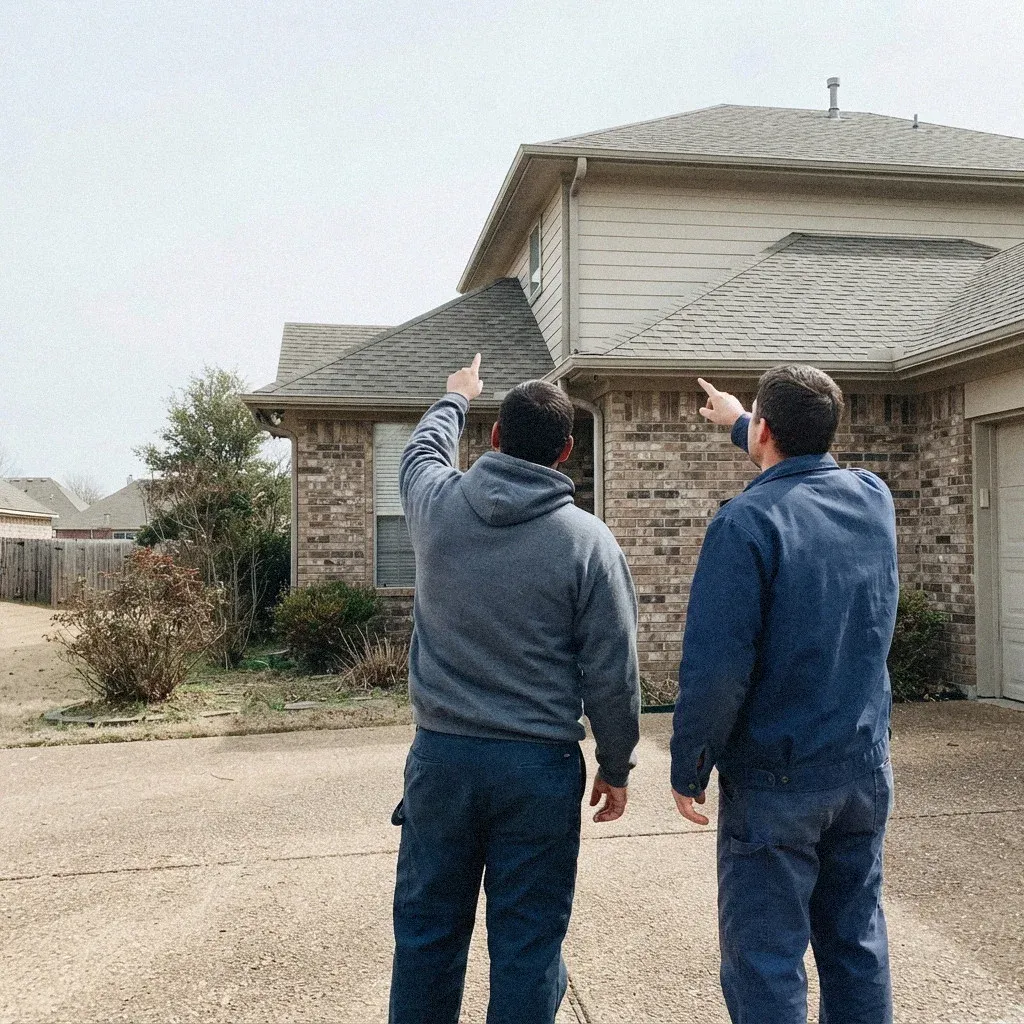
A Paper Trail Before Anyone Climbs a Ladder in Jacksonville, FL
What to check on paper before a crew from Riverside to Arlington touches your roof.
Vetting a Jacksonville roofer means checking the DBPR license number, pulling a certificate of insurance straight from the agent, weighing bids on the same scope, and locking payment terms into a signed contract before work starts.
License Number and Coverage Proof
A reroof in Jacksonville touches a lot of paperwork before a single shingle moves, and the paperwork is where a homeowner either protects themselves or leaves an opening. Duval County sees enough hurricane-season damage that plenty of contractors show up after a storm, and not all of them plan to stick around past the first payment. Working through registration, coverage, and contract terms before signing is what separates a Northside or Arlington homeowner's good experience from a costly one.
Florida requires roofing contractors to hold a state license through the Department of Business and Professional Regulation, either certified statewide or registered for a specific area, and that contractor registration status is checkable before any work starts. A legitimate roofer in Jacksonville has no reason to dodge the question. Ask for the license number directly and expect it printed on the bid itself, not produced only after a homeowner pushes.
Checking a license number confirms someone is legally allowed to do roofing work, not that they are the right fit for a particular Ortega or San Marco home. Comparing bids, reading contract language, and asking about the crew are separate steps that matter just as much. All of this groundwork exists so a homeowner ends up choosing well among the licensed pros we connect you with, not so paperwork becomes the whole project.
Reading Two Bids Side by Side
The cheapest bid is often the one missing something, and the only way to see that is to lay the two documents next to each other line by line. Start with what is being removed: one tear-off to the deck is not the same job as a recover over the existing layer. Then the underlayment, the flashing at valleys and chimneys, the ridge vent, the drip edge, and whether decking replacement is priced or left open. Two Jacksonville roofers can quote the same house thousands of dollars apart and both be honest, because they are quoting different work.
Ask for a unit price on the things nobody can count from the ground. Plywood is the main one: nobody knows how many sheets are soft until the old covering is off, so get a per-sheet figure written into the bid before work starts rather than agreeing to it on the day. Do the same for extra flashing, a second layer nobody expected, and any wood at the eaves. A bid with those numbers already in it will not turn into a different number halfway through.
- Get each bid written against the same scope: same tear-off method, same underlayment, same flashing at valleys, same product line.
- Ask each bidder to name the shingle or metal product line by brand, not a vague description, since warranty tiers ride on the exact product.
- Confirm whether decking replacement is included and get a per-sheet price now, since Jacksonville's summer downpours often soften plywood nobody sees until tear-off.
- Check whether the bid includes gutters and attic ventilation or bills them separately, since a low number can hide gaps that surface later.
- Check who pulls the permit and whether its cost is in the price, since a bid that leaves permitting to the homeowner is not the cheaper bid it looks like.
- Weigh a fast start date against hurricane season demand, since a crew stretched thin across Duval County jobs can rush the details that matter.
What the Contract Has to Pin Down
A contract for a Jacksonville reroof needs six things nailed down in writing: the exact scope by roof area and product name, who pulls the permit, a start and finish window, a draw schedule tied to completed stages, how a change gets approved if rot turns up, and what the workmanship coverage is and how long it runs. Anything left as a phrase like reroof house is not a scope, and anything agreed verbally is not in the contract.
Ask each bidder to spell out the same points: tear-off versus recover, decking repair if rot turns up, underlayment type, flashing at valleys and around chimneys, and ventilation. A homeowner in Springfield or Avondale comparing three bids side by side, item for item, sees real differences in what is being proposed, not just in price. An apples-to-apples bid is the only version worth trusting.
- The scope should name the product line and the roof areas it covers, not just the word reroof, so there is something to hold the finished job against.
- A change order clause should require written sign-off on any added cost before the extra work happens, not after the invoice arrives.
- The payment section should tie each draw to a finished stage in dollars or percentages, with a final sum kept until the permit closes out.
- Look for a clause naming any subcontracted labor and confirming lien releases will be collected from them, not just from the general contractor.
Releases, Draws, and Who Actually Worked
A written contract should name the material and manufacturer, describe the scope of work in specific terms rather than a phrase like reroof house, list the permit responsibility, and set a timeline. Jacksonville's Building Inspection Division requires a permit for reroofing work, and a homeowner should see that permit pulled under the contractor's name, not left as a vague promise buried somewhere in the paperwork.
Roofs hide their real condition until the old material comes off, and a Westside or Eastside home built decades ago may have decking issues nobody could see from the ground. A clause addressing this should say how added costs get approved and documented in writing before work continues, rather than showing up as a surprise on the final invoice. Skipping this step is how disputes start after the crew has already gone home.
| Stage | Trigger | Paper In Hand |
|---|---|---|
| Deposit at signing | Written contract with scope of work and draw schedule | No lien release due yet |
| Materials arrive on site | Delivery ticket matching contract quantities and product | Conditional release tied to that draw |
| Tear-off and dry-in complete | Photos of decking condition before cover-up | Conditional release for materials and labor paid so far |
| Job passes final inspection | Signed-off permit and manufacturer certification paperwork | Unconditional lien release from contractor and any subcontracted labor |
| Final payment released | Job passed final city inspection | Final unconditional lien release, all parties |
Checking a Name Before You Sign
A draw schedule ties payment to work actually completed instead of handing over most of the cost before materials arrive. A modest deposit to secure scheduling and order materials is normal for a Jacksonville reroof, but a contractor pushing for the bulk of the total upfront, before a single shingle is on the roof, is asking a homeowner to carry all the risk themselves.
Before signing, run the name through a few free checks. The state license lookup at the Department of Business and Professional Regulation confirms the license is active and shows any discipline against it. Duval County's permit records show whether the company actually pulls permits or works without them. A search on the business name plus the word complaint turns up what reviews on their own site will not. And ask for two addresses of work done in your own part of Jacksonville within the last year, then drive past them.
Pressure Tactics Worth Walking Away From
Some of these show up every hurricane season. A price that only holds if you sign today. A knock on the door offering a storm damage inspection at no charge to everyone on the street. An offer to handle the insurance claim for you, or to cover your deductible, which is not legal in Florida. A demand for most of the money before materials arrive. A refusal to put the license number on the bid. None of these are close calls. A roofer with work booked and a license worth keeping does not need any of them.
Manufacturer certification is worth asking about even on a standard reroof, since some material warranties require an installer trained and approved by that specific manufacturer to keep the enhanced coverage valid. References and job history from recent work in a similar Jacksonville neighborhood carry more weight than a handful of online reviews. A contractor unwilling to provide either, or one leaning on urgency and pressure to sign today, is worth walking away from.
Five Things to Hold in Hand
- The state license number, active and in the contractor's own name, printed on the bid rather than promised later.
- A certificate of insurance sent to you by the agent, not a copy handed over by the contractor, showing liability and workers coverage still in force.
- A surety bond backs a contractor's obligations, and an existing claim against that bond is worth asking the agent about directly.
- The permit, pulled under the contractor's license through the city's own portal, with the final inspection signed off before the last payment.
- Manufacturer certification means a specific shingle maker trained and approved this contractor, which can extend coverage past the standard material warranty.
- A same-day discount that disappears unless you sign on the spot is a reason to slow down, not a reason to hurry.
Frequently Asked Questions
How do I know a Jacksonville roofer's license is real?
Look it up yourself rather than taking the number on faith. Florida licenses roofing contractors through the Department of Business and Professional Regulation, and its online lookup will show whether a license is active, what class it is, whose name it sits under, and whether there has been any discipline. Two things to watch: the name on the license should match the name on your contract, and the license class should cover roofing work rather than something adjacent.
What should a roofing contract include?
It should spell out the exact scope by area and product, a draw schedule tied to finished stages, a change order process requiring written sign-off, start and completion windows, and who carries insurance on the crew. If a clause feels vague, ask for it to be rewritten before you sign anything near Southbank or Northbank.
How big a deposit is normal before work starts?
A deposit is normal in the Jacksonville market, but it should stay small against the total job cost and appear in the written contract rather than get collected before any paperwork exists. A homeowner in Mandarin or Arlington should expect the remaining balance tied to completed stages, not paid upfront in full.
What is a lien release and why do I need one?
A lien release is a signed statement that everyone paid on the job, including any subcontracted labor or supplier, has been paid in full and gives up the right to place a claim against your property. Without one, a Jacksonville homeowner could still owe money to someone the general contractor never paid.
Should I let the roofer handle my insurance claim?
No, and in Florida a contractor is not allowed to act as your adjuster or negotiate the claim on your behalf. They can document the damage, provide photographs and a written scope, and talk to the adjuster about the work itself, which is genuinely useful. What they cannot do is run the claim or offer to absorb your deductible. If either is being offered, that is a reason to look elsewhere rather than a favor.
Want a Vetted Roofer Lined Up First?
One call gets you licensed, insured Jacksonville roofers who will put the license number and the scope in writing before anyone climbs a ladder.
Call (904) 675-6349