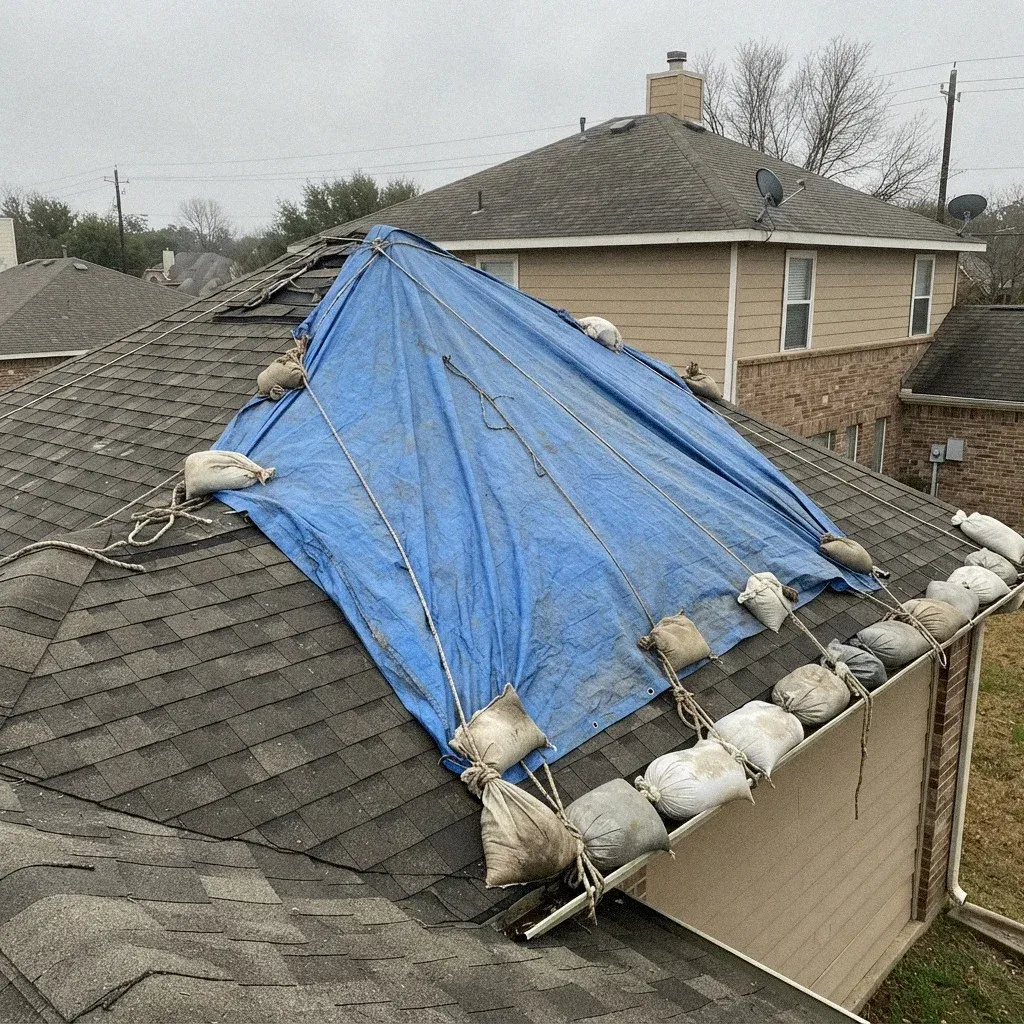
Emergency Roof Tarping
A leaking Jacksonville roof covered and anchored the same day
Learn about Emergency Roof Tarping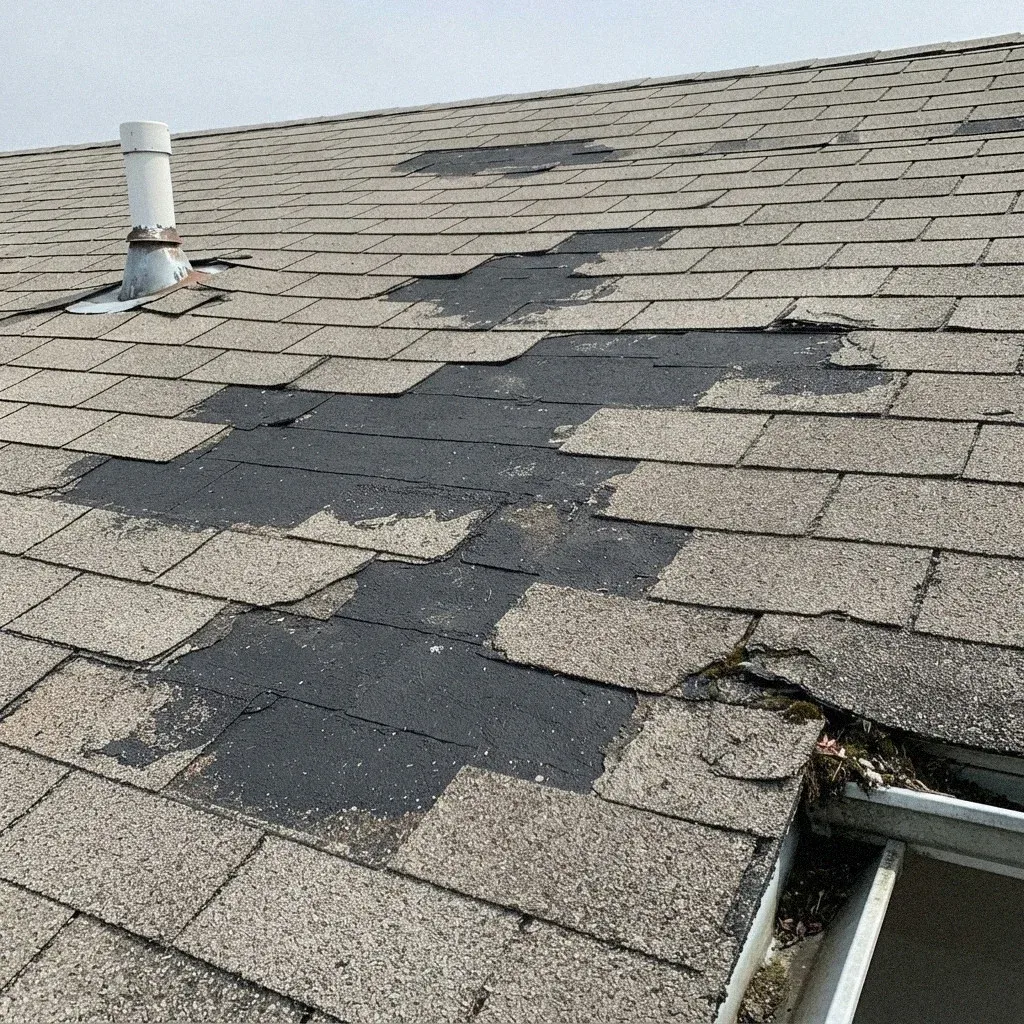
Jacksonville's roofs track era more than street. Riverside and Avondale carry early-1900s bungalows on crawl spaces, Springfield and San Marco mix in 1920s stucco homes, while Mandarin and Baymeadows fill out with slab-on-grade construction from later decades — each era wearing differently under the same Florida sun.
Afternoon thunderstorms are the real test, not the occasional named storm. A roof holding fine through a dry spring can start showing a soft spot in the ceiling by August, especially in older Murray Hill or Arlington homes where original decking has had seventy summers to work loose.
Ground conditions matter less here than elsewhere — no clay to heave, no basement to flood — but the sandy soil under Northside and Westside lots means poor drainage shows up on the roofline first, as ponding water on a low-slope section rather than a cracked slab underneath it.
Reroofing tends to cluster before hurricane season starts and again once it ends, so homes near Southside or the St. Johns Town Center area often wait weeks for a permit to clear through the city's Building Inspection Division during the busiest stretches of spring and fall.
A leaking Jacksonville roof covered and anchored the same day
Learn about Emergency Roof Tarping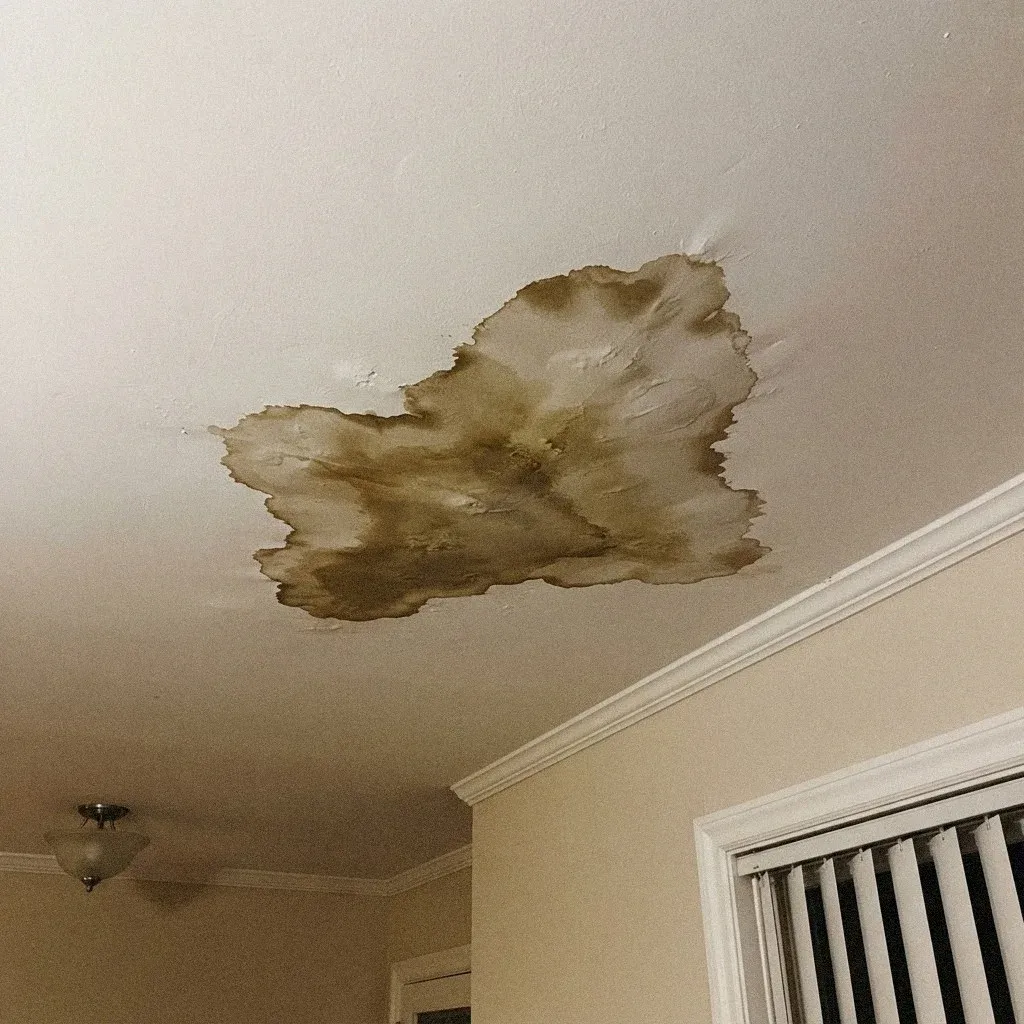
Finding where a Jacksonville roof actually lets water in.
Learn about Roof Leak Repair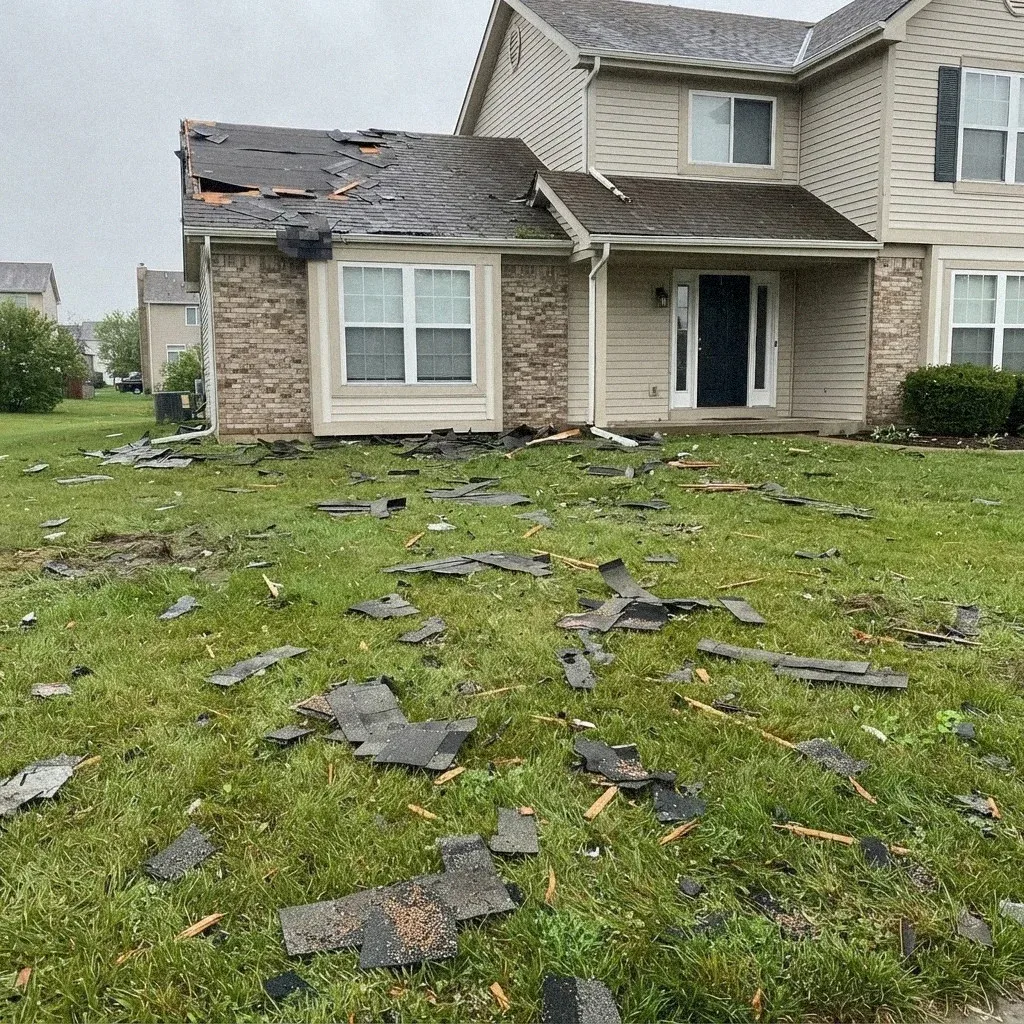
Fast inspection and repair after wind, hail, or a fallen limb.
Learn about Storm & Wind Damage Roof RepairTargeted shingle and flashing repairs for a Jacksonville roof still worth keeping.
Learn about Roof Repair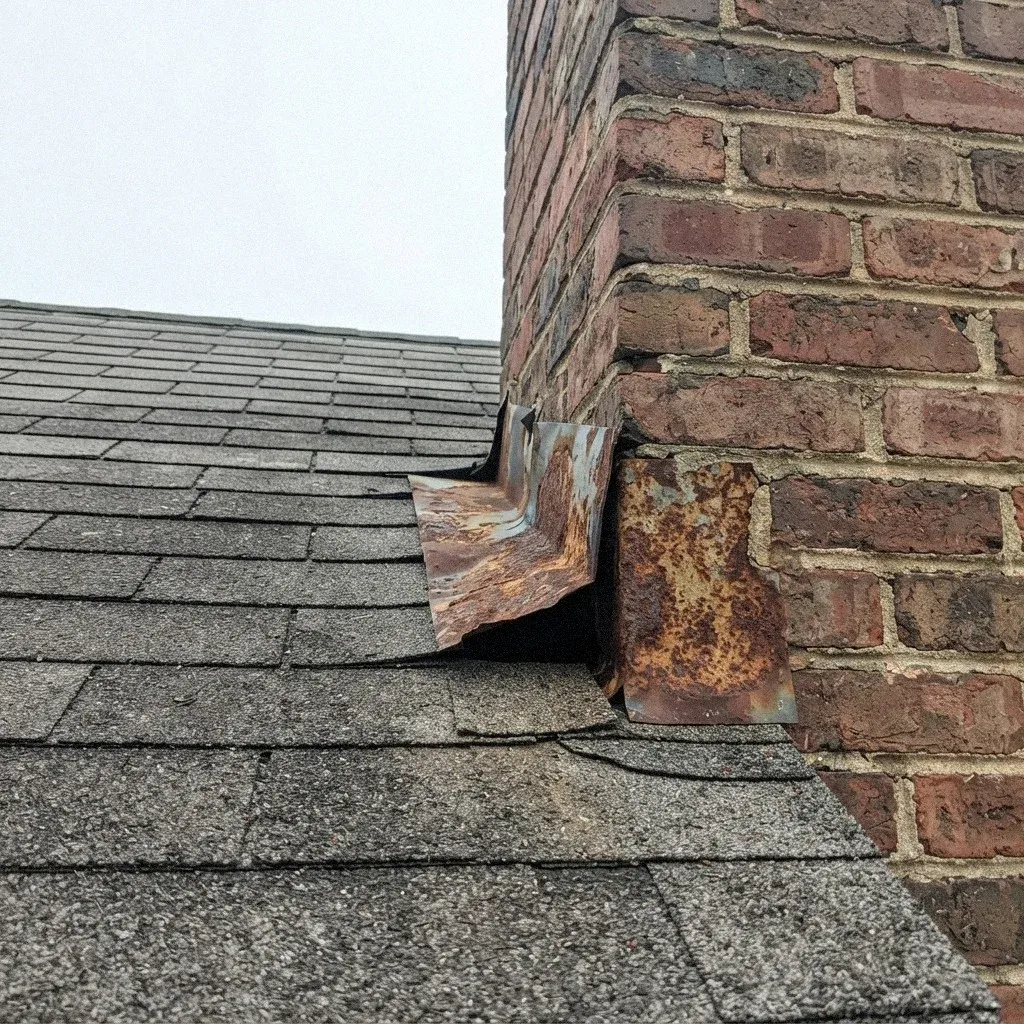
Valleys, sidewalls and chimney metal resealed or replaced.
Learn about Flashing & Chimney Repair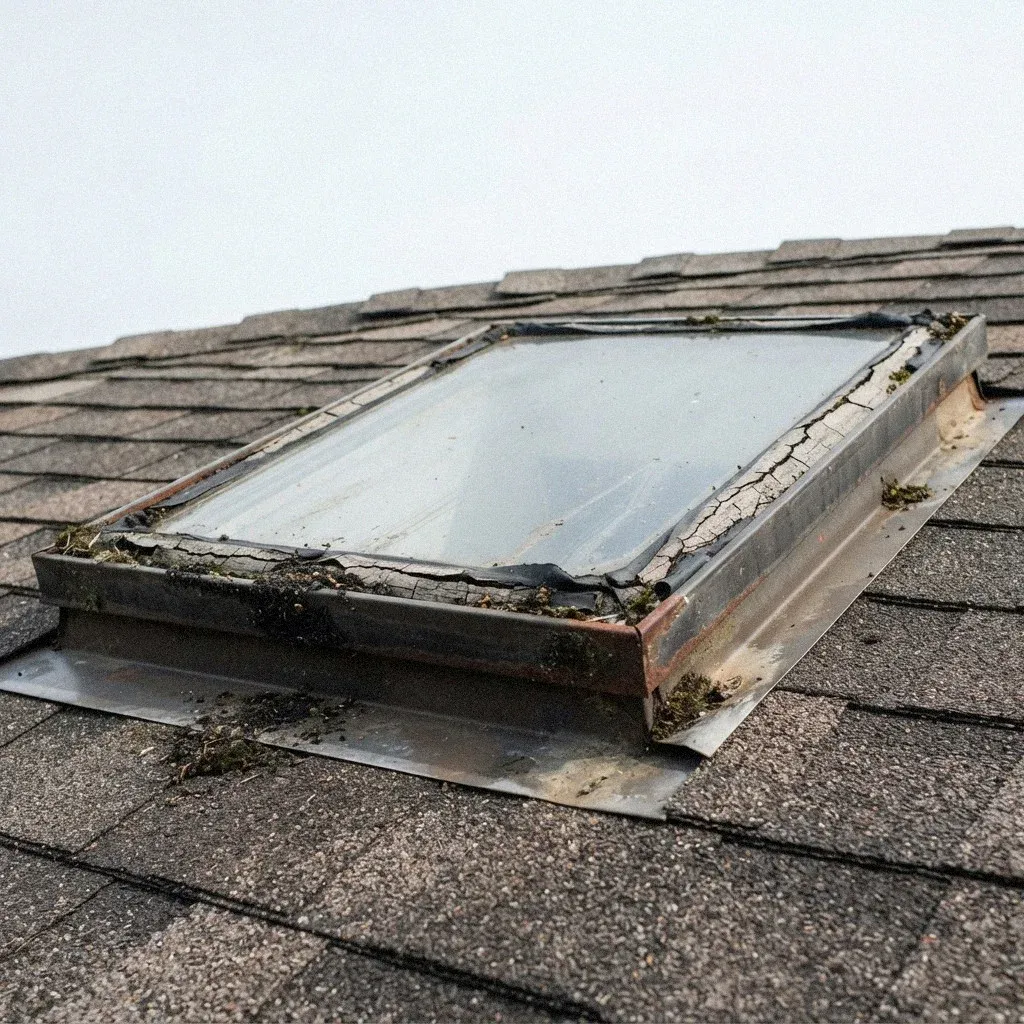
Leak, fog, or age — sorted before the next Jacksonville storm.
Learn about Skylight Repair & Replacement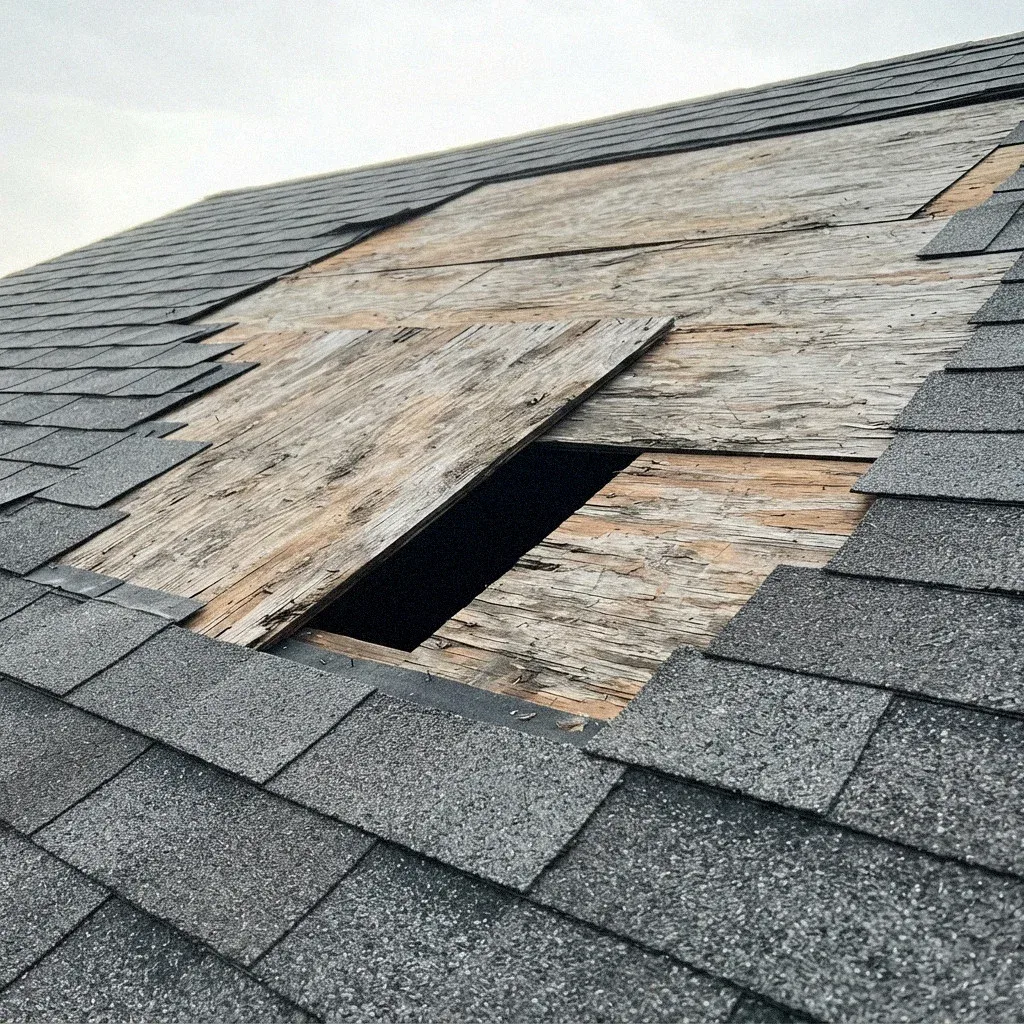
Soft or rotted decking found once tear-off starts, replaced before the new roof goes down.
Learn about Roof Decking & Sheathing Repair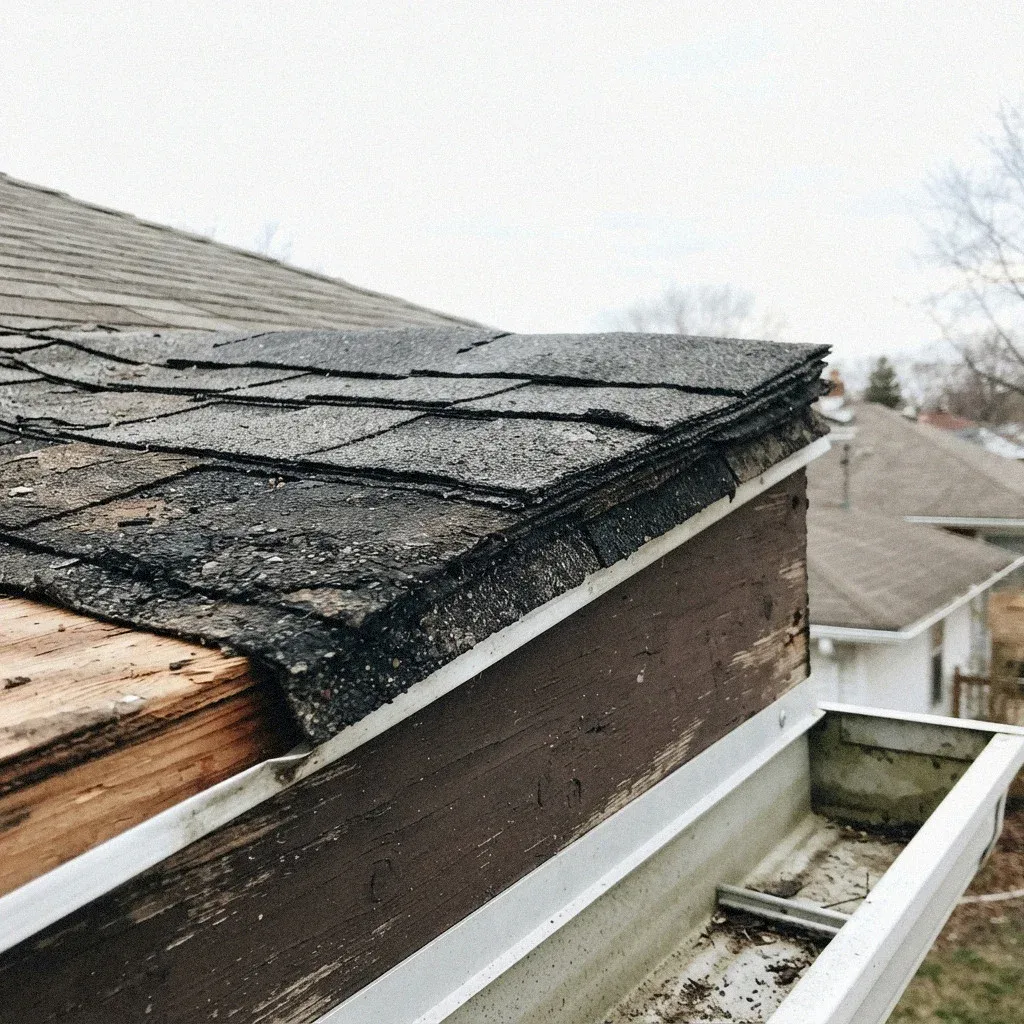
Old roof stripped to the deck, new system built back up right.
Learn about Roof Replacement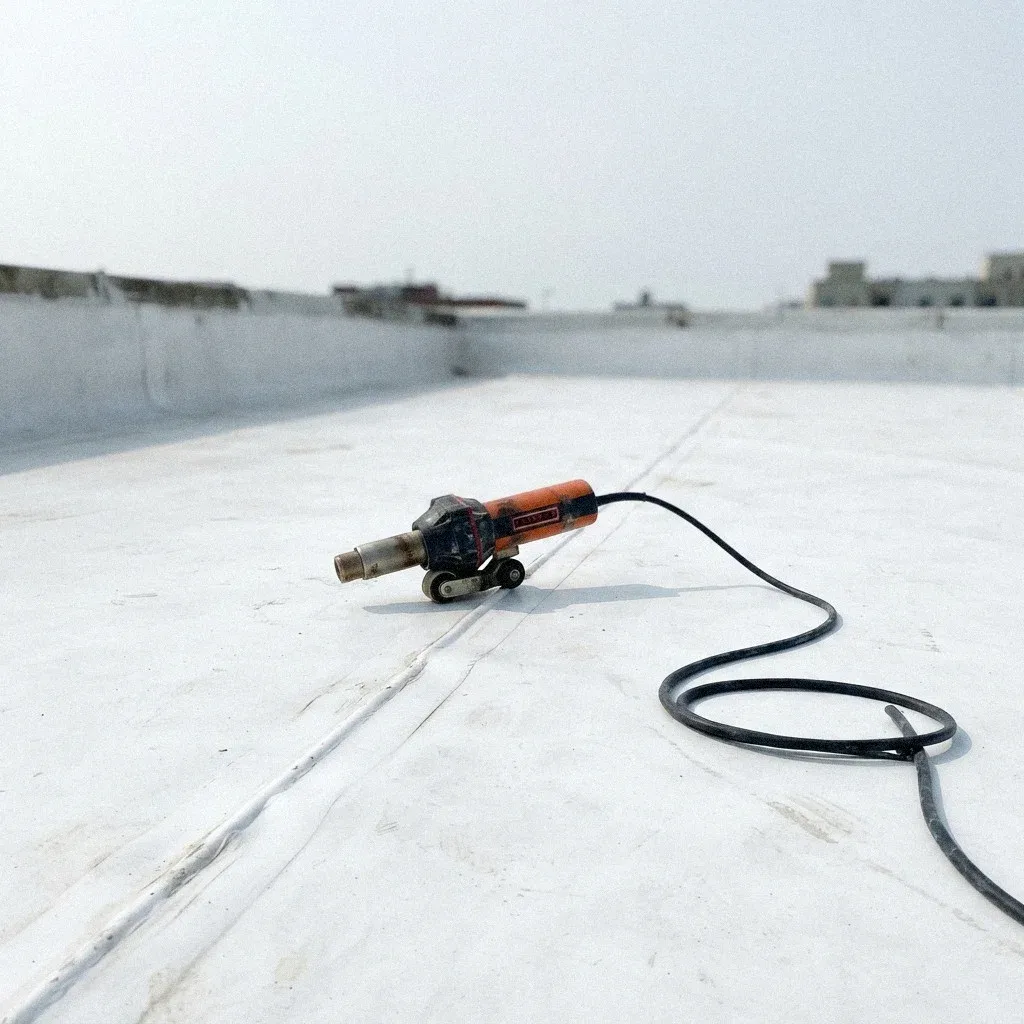
Low-slope membrane roofing built to drain through hurricane season.
Learn about Flat & Low-Slope RoofingTiming depends on roof size and how many layers come off first. A single-story home in Mandarin or San Marco might clear out in a day; steeper pitches or multiple valleys near Ortega or Avondale can stretch it to three. Afternoon thunderstorms common through Duval County in summer can push a Jacksonville job back a day if the crew has to stop for lightning.
Plan on a work vehicle taking up part of the driveway and shingles staged near the house through the job. Narrower lots around Riverside or Springfield sometimes mean borrowing curb space out front. Expect hammering, generator noise, and foot traffic across the yard in Arlington or Westside homes for the stretch the crew is on site.
Falling shingles and nails are hard on grass and beds, so anything near the foundation or under the eaves typically gets covered with plywood or tarps before tear-off starts. Gutters usually come off during the job and go back up once new drip edge and flashing are set. If your gutters were already sagging from years of Duval County rain, mention it beforehand.
Most jobs carry two separate warranties: a manufacturer warranty on the shingles or materials themselves, and a workmanship warranty from the licensed pros we connect you with covering installation issues like flashing or nail patterns. Terms vary by manufacturer and by job, so get the specific coverage and length in writing before work starts, not just verbally promised.
A rental home's roof falls under the landlord's general duty to keep the property in reasonable repair under Florida's landlord-tenant law. No fixed number of days is set by statute for how fast that repair has to happen, so tenants and landlords are often left negotiating timing on their own.
A ranch-style home near Cedar Hills sheds rain differently than one closer to Ortega Forest, and older houses in Springfield or Avondale carry decking that newer Mandarin builds don't. The right fix depends on the roof in front of the pro, not a general rule. Tell the licensed pros we connect you with where the house sits and what you're seeing, and they'll look at that roof, not a stand-in for it.
Call (904) 675-6349